

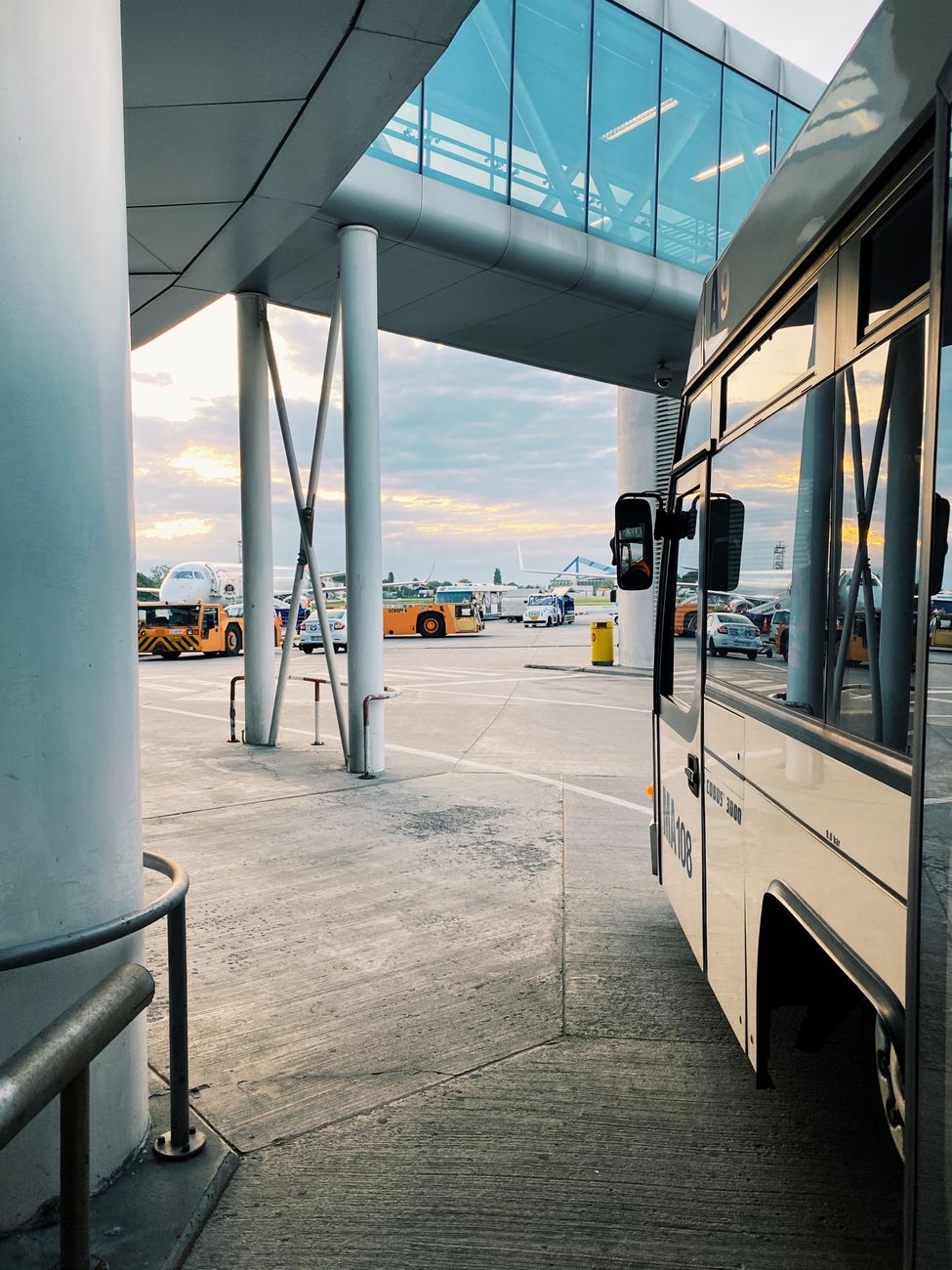
Barcelona–El Prat Airport is one of Southern Europe’s busiest aviation hubs, welcoming tens of millions of passengers every year. For many travellers, the airport works seamlessly — you land, collect your bags and head into the city. But for those with connecting flights or specific departure gates, understanding how to move between Barcelona Airport Terminal 1 to Terminal 2 is an essential part of the journey. Getting this wrong can mean a missed flight, unnecessary stress or a frantic sprint through unfamiliar corridors. Getting it right means a calm, confident transit that leaves time for a coffee before boarding.
The two terminals at El Prat are not connected by an internal walkway or an underground train. They are separate buildings located roughly three kilometres apart on the same airport campus. This surprises many first-time visitors who assume, reasonably enough, that a major international airport would have a single integrated terminal complex. In practice, the two buildings serve very different airlines and route types, and the airport has designed a straightforward inter-terminal transfer system to bridge the gap. Knowing how that system works — and how long it actually takes — is what separates a smooth connection from a stressful one.
This guide covers everything you need to know about travelling between the two terminals at Barcelona Airport. Whether you are catching a connecting flight, picking up a passenger who lands at a different terminal, or simply trying to reach the right departure gate on time, the information here will help you plan with confidence. We will walk through the free shuttle bus, journey times, airline and terminal assignments, common mistakes, accessibility considerations and practical advice for families, groups and business travellers.
Understanding the Layout of Barcelona El Prat Airport
Barcelona El Prat Airport — officially Aeropuerto de Barcelona-El Prat Josep Tarradellas — has two active passenger terminals: Terminal 1 (T1) and Terminal 2 (T2). A third terminal building, sometimes referred to as the old Terminal B, is now incorporated into the T2 complex and is no longer a separate operational unit for most passengers.
Terminal 1 is the larger and more modern of the two. It opened in 2009 and handles the majority of international long-haul flights, as well as most Vueling services and many other major carriers. The building is architecturally striking, with a large central atrium, multiple retail and dining options, and efficient security lanes. Terminal 2, by contrast, is older and more compact. It is divided into three modules — T2A, T2B and T2C — and primarily serves low-cost carriers, including Ryanair and easyJet, along with some charter operations and certain regional routes.
Which Airlines Use Which Terminal?
Knowing your terminal in advance is the single most important step in planning your airport journey. As a general guide, Vueling and Iberia tend to operate from Terminal 1, while Ryanair and easyJet typically use Terminal 2. However, airline terminal assignments can change seasonally or due to operational decisions, so always confirm your specific terminal when you receive your boarding pass or booking confirmation. The airport’s official website also provides a terminal checker tool that is worth consulting before you travel.
The Free Inter-Terminal Shuttle Bus at Barcelona Airport
The primary and most widely used method of travelling between Barcelona Airport Terminal 1 to Terminal 2 is the free shuttle bus service operated by the airport authority, AENA. This service runs continuously throughout the day and into the late evening, covering the roughly three-kilometre route between the two terminals without any charge to passengers.
The shuttle bus stop at Terminal 1 is located on the ground floor, outside the arrivals hall. Clear signage within the terminal points towards the bus stop, and airport staff can direct you if you are unsure. At Terminal 2, the bus stops are positioned outside the T2B module, which serves as the central hub for the T2 complex. From there, passengers can walk to T2A or T2C, or use the internal walkways within the T2 building. The buses run at intervals of approximately ten to fifteen minutes during peak hours, though this can vary depending on the time of day and season.
How Long Does the Shuttle Take?
The shuttle bus journey itself takes approximately ten minutes in normal conditions. However, you should budget considerably more time for the full inter-terminal transfer. Waiting for the bus, boarding, the journey itself, walking from the bus stop to your check-in desk or departure gate, and passing through security can collectively take between thirty and fifty minutes under typical conditions. During busy travel periods — summer weekends, public holidays and early morning peak hours — the process can take longer. Most travel advisors and airport guides recommend allowing at least sixty minutes for a terminal transfer when you have a connecting flight.
Step-by-Step: How to Use the Inter-Terminal Transfer Service
Using the shuttle bus is straightforward, but a clear step-by-step picture helps you move with purpose rather than hesitation. When you arrive at your first terminal, follow the signs for “Bus Interterminales” or “Inter-Terminal Bus.” These signs are displayed in Spanish and English throughout both buildings. Do not exit through the departures-level doors if you have already cleared security — the shuttle bus operates at the arrivals level, which means you will need to descend to the ground floor before boarding.
Once you board the shuttle, the ride is comfortable and air-conditioned. Drivers do not typically announce stops, so keep an eye on the terminal buildings as you approach. When you arrive at your destination terminal, you will need to check in and pass through security in the normal way. If you are a connecting passenger who has already checked in and has only carry-on luggage, you can proceed directly to security. If you have checked baggage, the airline’s transfer desk or check-in counters will need to handle the bag re-tagging process, which adds additional time to your transfer.
Timing Your Transfer: What Connecting Passengers Need to Know
Minimum connection times at Barcelona Airport vary depending on the airline combination and whether your flights are booked on a single ticket or separately. When both flights are on the same booking, the airline is responsible for ensuring the connection is feasible, and ground staff will assist you if your inbound flight is delayed. When you have booked two separate tickets — a common scenario with budget airlines — you are entirely responsible for making the connection yourself, and no assistance or rebooking is guaranteed if you miss the second flight.
For same-terminal connections, most airlines recommend a minimum of forty-five to sixty minutes. For inter-terminal connections at El Prat, a minimum of ninety minutes is a more realistic and comfortable target. If you are travelling with children, elderly companions or passengers with reduced mobility, or if you have checked baggage to transfer, allow at least two hours. This may feel generous, but the cost of missing a flight — in both financial and practical terms — far outweighs the inconvenience of arriving at your gate with time to spare.
Travelling Between Terminals with Luggage, Families and Groups
Passengers with large amounts of luggage will find the inter-terminal shuttle perfectly manageable, as the buses are equipped with space for trolleys and oversized bags. However, the walk from the bus stop to the check-in desks within each terminal can be several hundred metres, so packing smartly and using airport trolleys is advisable. Trolleys are available free of charge in both terminals.
Families travelling with young children should note that the shuttle bus is accessible for pushchairs and prams. Allow extra time for boarding and alighting, particularly during busy periods when the bus may be crowded. Groups of four or more passengers — whether travelling together for leisure or on a corporate trip — may find the shuttle straightforward for the journey itself, but the combined time for the group to clear security and reach the departure gate can be longer than for individual travellers. For groups with a tight connection, a private transfer vehicle between terminals arranged through a service like TransferBCN can provide a faster and more coordinated option, particularly when the group has significant luggage or includes passengers with mobility requirements.
Accessibility Between Terminals
Both terminals at Barcelona Airport are equipped with lifts, ramps and accessible facilities. The inter-terminal shuttle buses are low-floor vehicles with ramps for wheelchair users. Passengers requiring assistance should contact their airline or the airport’s Special Assistance service (known as PRM assistance) in advance. The service is free and can be arranged to accompany passengers throughout the inter-terminal transfer process, including boarding the shuttle and navigating to the departure gate.
Comparing Your Transfer Options: Shuttle, Taxi and Private Transfer
While the free shuttle bus is the standard option for most passengers, it is worth understanding the full range of choices available for moving between terminals.
| Option | Cost | Journey Time | Best For |
|---|---|---|---|
| Free inter-terminal shuttle bus | Free | 10 min (plus waiting) | Most passengers, budget-conscious travellers |
| Licensed airport taxi | Metered fare (approximate €10–€15) | 5–8 min | Passengers with tight connections |
| Private transfer service | Fixed price, pre-booked | 5–10 min, no waiting | Groups, families, business travellers, accessibility needs |
| Walking | Not practical | 45+ min on foot | Not recommended |
Walking between the terminals is not a realistic option for most passengers. The route is not pedestrian-friendly, passes through service roads and is not signposted for walkers. Taxis are available outside both terminals and offer a faster option when every minute counts, though the fare will apply. A pre-booked private transfer through a company such as TransferBCN offers the advantage of a confirmed vehicle, fixed pricing, door-to-door service and a driver who knows exactly where to drop you. For business travellers, families with young children or groups with multiple suitcases, this level of certainty is often worth the cost.
Common Mistakes When Transferring Between Terminals at Barcelona Airport
Even experienced travellers make avoidable errors when navigating inter-terminal connections. Understanding the most frequent mistakes is the best way to ensure you do not repeat them.
Underestimating transfer time. The most common mistake is assuming that ten minutes of shuttle travel equals ten minutes of total transfer time. As explained above, the full process — waiting, boarding, riding, walking, queuing for security — can take an hour or more. Always build in a generous buffer.
Exiting through the wrong door. Passengers who have not yet cleared security sometimes exit through departures-level doors and find themselves outside the terminal without access back in. Always descend to the arrivals level before looking for the shuttle bus stop.
Assuming the shuttle runs at night. The inter-terminal shuttle operates during standard airport hours, but very early morning or very late-night flights may fall outside the shuttle’s schedule. If you have an unusual departure time, verify shuttle availability in advance and have a taxi or private transfer option as a backup.
Not confirming terminal assignments. Airlines occasionally change terminal assignments, and information on third-party booking sites is not always updated in real time. Check your boarding pass and the airport’s official terminal checker on the day of travel.
Forgetting to account for security queues. Security queues at Barcelona Airport can be substantial during summer months and on Monday mornings. Even if the shuttle journey is quick, a thirty-minute security queue on the other side will eat into your connection time. Arriving early at the transfer terminal is always the right decision.
Practical Tips for a Smooth Inter-Terminal Transfer
A few straightforward habits make the inter-terminal transfer significantly less stressful. First, identify your departure terminal before you arrive at the airport — not when you are standing in the arrivals hall trying to read the screens. Second, keep your boarding pass and passport accessible throughout the transfer, as you will need them at security. Third, if you are travelling with checked luggage on separate tickets, speak to the check-in agent at your first flight and ask explicitly whether your bag will be transferred automatically or whether you need to collect and re-check it.
Fourth, download the AENA app or check the airport’s live information boards for real-time shuttle bus schedules and any operational changes. Fifth, if you are meeting someone who is arriving at a different terminal from the one where you are departing, agree on a clear meeting point in advance — both terminals have clearly marked meeting areas in the arrivals halls. Finally, if you are travelling with valuable or fragile items in your carry-on, keep them with you on the shuttle rather than placing them in the luggage area at the front of the bus.
FAQ: Barcelona Airport Terminal 1 to Terminal 2
Is the inter-terminal shuttle bus really free?
Yes, the shuttle bus connecting Terminal 1 and Terminal 2 at Barcelona El Prat Airport is completely free of charge for all passengers. You do not need a ticket, a boarding pass or any form of payment to board. Simply follow the signs to the inter-terminal bus stop on the arrivals level of your terminal and board when the bus arrives.
How often does the inter-terminal shuttle run?
During standard operating hours, the shuttle bus runs approximately every ten to fifteen minutes. Frequency may be slightly lower during off-peak hours, late evenings or early mornings. If you need to travel between terminals at an unusual time, it is worth checking the airport’s official website or asking at the information desk for the current schedule.
Can I take a taxi between Terminal 1 and Terminal 2?
Yes, licensed taxis are available outside both terminals and can take you between them. The journey takes approximately five to eight minutes depending on traffic within the airport grounds. The fare is metered and will be approximately in the range of ten to fifteen euros, though you should verify current rates as prices can change. Taxis are a practical option when you have a tight connection and cannot afford to wait for the shuttle.
What happens if I miss my connecting flight because of the terminal transfer?
If both flights are on the same booking, your airline is obligated to assist you in the event of a missed connection caused by a delay to your inbound flight. They will typically rebook you on the next available service. If your flights are on separate tickets, you are responsible for the connection and will need to purchase a new ticket at your own expense. This is why allowing sufficient transfer time — at least ninety minutes for an inter-terminal connection — is so important.
Are there facilities at Terminal 2 similar to Terminal 1?
Terminal 2 is older and more compact than Terminal 1, but it has the essential facilities that passengers need, including check-in desks, security lanes, departure gates, cafés, basic retail, ATMs and toilets. The range of shops and restaurants is more limited than in the larger Terminal 1, so if you are departing from T2 and want a wider choice of food or shopping, plan to arrive with time to explore rather than expecting the same variety.
Is the shuttle bus accessible for wheelchair users?
Yes, the inter-terminal shuttle buses at Barcelona Airport are low-floor vehicles with ramps for passengers using wheelchairs or mobility aids. Passengers who require additional assistance throughout the transfer process should contact their airline or the airport’s PRM (Passengers with Reduced Mobility) assistance service in advance. This service is free and can provide support from arrival through to the departure gate, including during the inter-terminal transfer.
Can I pre-book a private vehicle to transfer between terminals?
Yes, private transfer services such as TransferBCN can be pre-booked to move passengers between terminals at Barcelona Airport. This is particularly useful for groups, families with young children, business travellers with tight schedules, or passengers with significant luggage. A pre-booked vehicle eliminates waiting time, provides door-to-door service and offers fixed pricing so there are no surprises on the day.
Conclusion: Plan Ahead and Travel with Confidence
Moving between Barcelona Airport Terminal 1 to Terminal 2 is a manageable and well-organised process, provided you understand how the system works and allow enough time. The free shuttle bus is reliable, accessible and straightforward to use, but the total transfer time — including waiting, boarding, the journey and clearing security — can easily reach an hour or more. For passengers with connecting flights, especially those on separate tickets, building in a buffer of at least ninety minutes is the single most important piece of advice in this guide.
Whether you are a solo traveller catching a budget connection, a family navigating the airport with pushchairs and suitcases, or a group of colleagues on a business trip, knowing your terminal in advance, locating the correct shuttle stop and planning your security time will make the difference between a stressful scramble and a calm, organised transit. Barcelona Airport is a well-run facility, and with the right preparation, the inter-terminal transfer is a minor step in your journey rather than a major obstacle.
If you want complete peace of mind for your Barcelona airport transfer — whether you are moving between terminals, travelling from the airport to the city, or arranging a group pickup — TransferBCN offers pre-booked private vehicles with fixed prices, professional drivers and full luggage assistance. Flight monitoring, child seats and accessibility support are all available on request. Book in advance and arrive at your terminal on time, every time.