


Barcelona to Andorra: Getting There for Shopping or Skiing
Quick answer: Andorra is about 200 km north of Barcelona, in the Pyrenees. There is no direct train — the direct bus from Barcelona Sants takes about 3 hours (from roughly €37–50), while a taxi or private transfer takes about 2 hours 34 minutes and runs from around €259. Most visitors go for one of two reasons: duty-free shopping (prices 20–40% below the rest of Europe) or skiing at Grandvalira or Vallnord in the Pyrenees — and a fair number do both in the same day.
Andorra sits tucked into the Pyrenees between Spain and France, close enough to Barcelona for a genuine day trip but far enough that it takes real planning — this is not a quick hop like Sitges or Montserrat. The country is not part of the EU, so while there are no formal border controls on the road in, you still need a valid passport or ID card, and it is worth having it out and ready at the crossing rather than buried in a bag.
Why There Is No Direct Train
This is the detail that catches people out: Andorra has no railway at all, and no direct train service connects it to Barcelona. The closest a train gets you is either La Seu d’Urgell (still a bus or taxi ride from the border) or, in the other direction, a regional Rodalies service to Latour-de-Carol just across the French border, followed by roughly an hour’s connecting bus into Andorra la Vella. That French route alone runs 3 hours 25 minutes on the train before the bus connection is even added — push the total door-to-door time to 4.5–5.5 hours, which makes it the slowest option by a wide margin, not the fastest.
Getting There: Bus vs Taxi vs Transfer
| Method | Time | Cost |
|---|---|---|
| Direct bus (from Barcelona Sants) | ~3 hours | €37–50, departs roughly every 3 hours |
| Taxi / private transfer | ~2h34 | From around €259 |
| Train + connecting bus (via France) | 4.5–5.5 hours | €10–15 train + bus fare |
The bus is the standard budget option — comfortable, direct, and running several times a day from Barcelona’s main bus station. It is also, unusually for these comparisons, close to the fastest option available at any price: a private transfer saves perhaps 25 minutes over the bus, which is a smaller gap than most of the routes covered elsewhere on this site. Where a transfer earns its cost here is less about speed and more about what happens at the other end — skis, luggage, and a group that would rather not haul either through a bus station.
Duty-Free Shopping
Andorra’s tax status is the other reason people make the trip. Prices on alcohol, perfume, cigarettes, electronics, and fuel typically run 20–40% below the rest of Europe, with markdowns of 70–80% not unusual during sale periods. Andorra la Vella’s main shopping streets are built around this — dense with electronics stores, perfumeries, and outlet-style boutiques that would look at home in any European capital, just without the VAT.
Skiing at Grandvalira and Vallnord
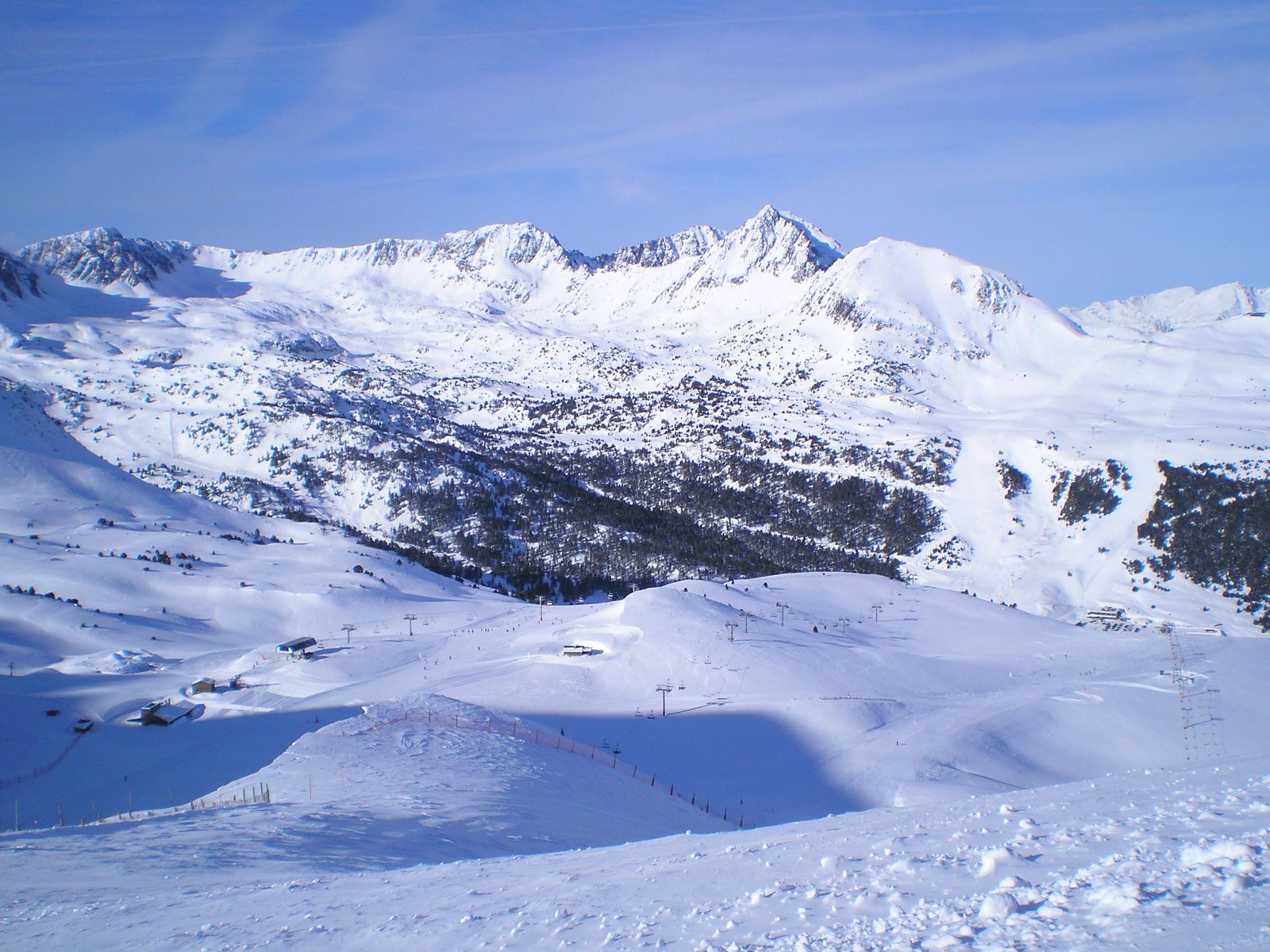
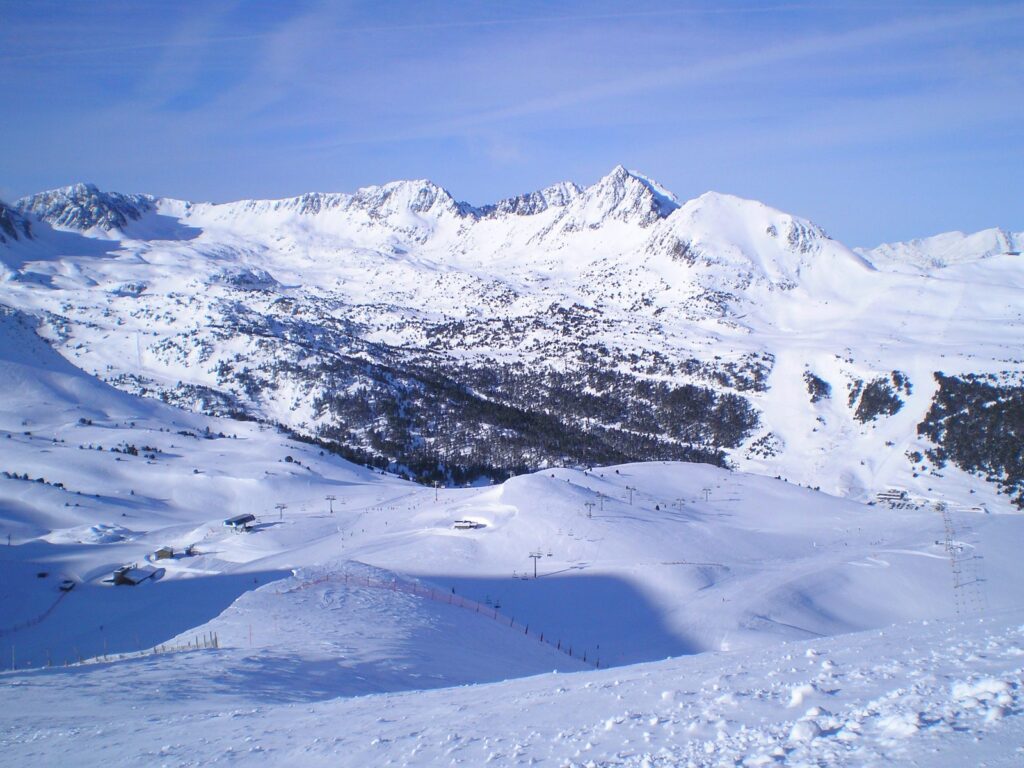
The Pyrenees give Andorra two major ski areas, both about 20 km from the capital. Grandvalira is the largest ski area in the Pyrenees and one of the biggest in southern Europe; Vallnord-Pal Arinsal is smaller but well set up for families and beginners. Between them there are 178 slopes covering close to 285 km, served by 111 lifts — enough terrain that most visitors pick one area and stay there rather than trying to cover both in a single visit.
Ski in the Morning, Shop in the Afternoon
Because the resorts and the capital sit so close together, a genuinely popular plan is to combine both in one day — a morning on the slopes, then down into Andorra la Vella for duty-free shopping before heading back to Barcelona. It is an ambitious schedule for a day trip, which is where the timing math from the getting-there section actually matters: lose an hour to a slow train connection and the shopping half of the day disappears with it.
Passport and Border Practicalities
Andorra sits outside the EU and outside Schengen’s formal structure, though in practice there are no manned checkpoints on the main roads in from Spain or France. That does not mean documentation is optional — carry a valid passport or national ID card, and expect the possibility of a spot check, particularly on the return leg into Spain. Non-EU visitors should confirm their own entry requirements before traveling, since Andorra’s rules do not automatically mirror Spain’s.
When to Go
Ski season runs roughly December through April, and Grandvalira and Vallnord get busy on weekends and around European school holidays — book lift passes and, if needed, transport in advance for those windows. Outside ski season, Andorra is quieter and the shopping-focused trip works year-round, with summer bringing hiking and mountain scenery as a secondary draw alongside the duty-free stores.
FAQ
About 200 km north, in the Pyrenees — roughly 2.5 to 3 hours by road depending on the method.
No — Andorra has no railway. The closest options involve a train to La Seu d'Urgell or Latour-de-Carol in France, followed by a connecting bus, and both add significant time versus the direct bus or a transfer.
Yes — Andorra is outside the EU, and while there are no formal checkpoints on the main roads, you should carry valid ID or a passport and be ready for a spot check.
Yes, it is a popular combination — a morning at Grandvalira or Vallnord followed by duty-free shopping in Andorra la Vella — though it makes the getting-there time budget tight.
Generally yes — prices on alcohol, perfume, electronics, and cigarettes typically run 20–40% below the rest of Europe, with steeper discounts during sale periods.